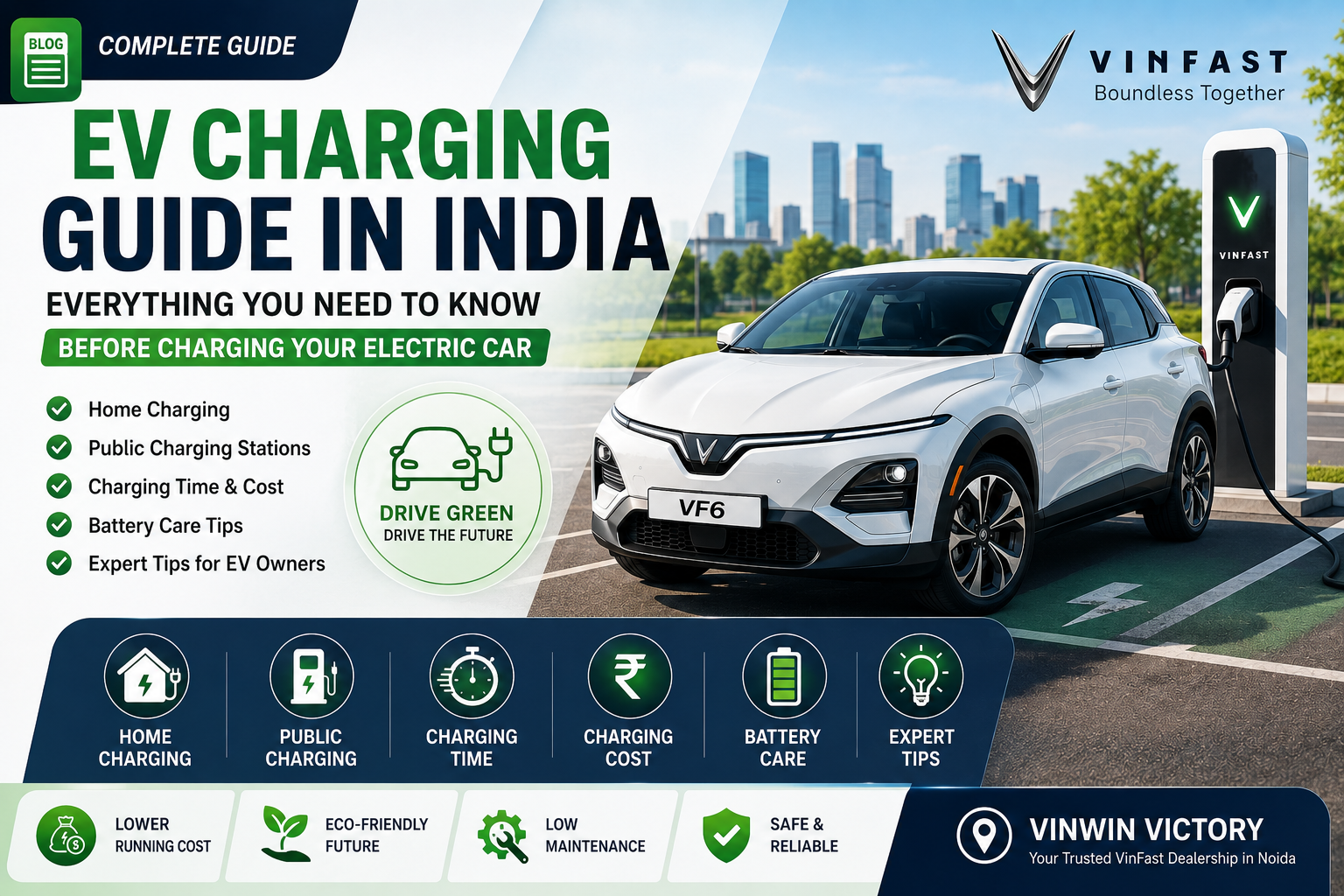

EV Charging Guide in India: Everything You Need to Know Before Charging Your Electric Car
Introduction
EV Charging India has become one of the most searched topics among people planning to buy an electric vehicle. As EV adoption continues to grow across the country, understanding how charging works has become essential for every new EV owner. Whether you’re planning to purchase your first electric car or simply exploring your options, knowing the basics of charging can help you make informed decisions.
Many first-time buyers have common questions. Can you charge an EV at home? How long does charging take? What does it cost? Where can you find public charging stations? Fortunately, the answers are simpler than most people expect.
Today, EV Charging India is expanding rapidly with the addition of home charging solutions, public charging networks, and fast-charging infrastructure. As a result, owning and charging an electric vehicle has become easier, more convenient, and more practical than ever before.
In this complete guide, you’ll learn everything you need to know about EV Charging India, including charging methods, charger types, charging costs, battery care, and expert tips to help you enjoy a hassle-free electric vehicle ownership experience.
Why EV Charging Is Important
Charging is one of the biggest differences between owning an electric vehicle and driving a conventional petrol or diesel car. Instead of visiting a fuel station every few days, most EV owners simply plug in their vehicle at home overnight and wake up to a fully charged battery.
Moreover, understanding how EV charging works helps you plan your journeys with confidence while reducing running costs and improving battery performance over time.
Benefits of understanding EV charging
- Plan long-distance trips more confidently
- Reduce overall charging costs
- Extend battery life with better charging habits
- Choose the right charging method for your lifestyle
- Enjoy a smoother and stress-free EV ownership experience
Once you understand the basics, charging an electric vehicle becomes just as routine as charging your smartphone.
Understanding EV Charging in India
Every electric vehicle stores energy inside a rechargeable battery pack, which powers the electric motor instead of a traditional internal combustion engine. Whenever the battery level drops, it needs to be recharged using electricity.
Unlike petrol or diesel vehicles, EV owners have multiple charging options. Depending on your lifestyle and driving requirements, you can conveniently charge your vehicle at:
- Home
- Office parking
- Public charging stations
- Highway charging hubs
- Shopping malls
- Hotels
- Commercial complexes
As India’s charging infrastructure continues to grow, finding a charging point is becoming increasingly convenient for both city commuters and long-distance travellers.
Types of EV Charging in India
Before buying an electric vehicle, it’s important to understand the different charging options available. Each method serves a different purpose, depending on your daily driving habits and travel requirements.
1. Home Charging
Home charging is the most convenient and commonly used option for electric vehicle owners. Most people simply plug in their vehicle overnight, allowing it to charge while they sleep. By morning, the battery is ready for the day’s journey.
Advantages of Home Charging
- Convenient and hassle-free
- Lower charging costs
- No waiting in queues
- Ideal for overnight charging
- Perfect for daily commuting
If you primarily drive within the city, home charging is usually the most practical and economical solution.
2. Public Charging
Public charging stations are becoming increasingly common across India. They are especially useful when you’re travelling long distances or when charging at home isn’t possible.
Today, public charging stations can be found at:
- Highways
- Shopping malls
- Business parks
- Hotels
- Airports
- Public parking areas
Because India’s charging network is expanding rapidly, EV owners now have more flexibility than ever before.
3. Workplace Charging
Many offices and corporate campuses have started installing EV charging facilities for employees. This allows drivers to recharge their vehicles while they work, making daily commuting even more convenient.
Benefits of Workplace Charging
- Charge while working
- Save time
- Reduce charging expenses
- Increase daily driving convenience
- Extend available driving range
As electric vehicle adoption continues to rise, workplace charging is expected to become a standard facility in many organizations.
AC Charging vs DC Fast Charging
Not all EV chargers work in the same way. Therefore, understanding the difference between AC charging and DC fast charging will help you choose the most suitable option for your driving needs.
AC Charging
AC charging is the preferred option for everyday use and is commonly installed at homes and workplaces.
Best For
- Overnight charging
- Daily commuting
- Regular use
- Long-term battery care
Advantages
- Cost-effective
- Convenient
- Battery-friendly
- Ideal for everyday charging
For most owners, AC charging provides the perfect balance between convenience and battery health.
DC Fast Charging
DC fast charging delivers electricity directly to the battery at a much higher speed. Consequently, it significantly reduces charging time and is ideal for longer journeys.
Best For
- Highway travel
- Long-distance trips
- Emergency charging
- Quick battery top-ups
Advantages
- Much faster charging
- Ideal during road trips
- Easily available at many public charging stations
- Reduces travel time
Although DC fast charging is extremely convenient, most EV owners use it mainly during long trips while relying on home charging for everyday use.
Which Charging Method Is Best?
The best charging method depends entirely on your driving habits and lifestyle.
| Driving Style | Recommended Charging |
|---|---|
| Daily city driving | Home Charging |
| Long-distance travel | DC Fast Charging |
| Office commuters | Workplace Charging |
| Weekend travellers | Home + Public Charging |
For most electric vehicle owners, a combination of home charging and occasional public fast charging offers the ideal balance of convenience, flexibility, and battery care.
EV Charging Connectors
Different electric vehicles may support different charging connectors depending on the vehicle model and charging standards. Therefore, it’s important to understand charger compatibility before purchasing an EV.
When comparing electric vehicles, check the following:
- Vehicle compatibility
- Charger compatibility
- Home charging equipment
- Public charging support
If you’re unsure, your dealership can help you choose the correct charging solution for your vehicle.
Can You Charge an EV Every Day?
Yes, absolutely.
In fact, many EV owners charge their vehicles every day, especially if they commute regularly. Instead of waiting until the battery is almost empty, most drivers simply recharge according to their daily usage.
Following the charging recommendations provided by your vehicle manufacturer will help maintain battery performance while ensuring reliable day-to-day driving.
Home Charging Installation
Installing a home EV charger is usually a straightforward process when carried out by trained professionals.
Before installation, consider the following factors:
- Available parking space
- Electrical capacity
- Safety standards
- Charger compatibility
A professionally installed home charging system makes everyday EV ownership simple, safe, and highly convenient.
How Long Does It Take to Charge an Electric Vehicle?
One of the most common questions asked by first-time EV buyers is, “How long does it take to charge an electric vehicle?”
The answer depends on several factors, including:
- Battery capacity
- Current battery percentage
- Type of charger
- Charging speed supported by the vehicle
- Weather conditions
Generally, home AC charging takes longer but is ideal for overnight use. On the other hand, DC fast charging can significantly reduce charging time, making it an excellent choice for highway travel and long-distance journeys.
If most of your driving takes place within the city, charging your EV overnight at home is usually more than enough to keep it ready for the next day’s commute.
What Affects EV Charging Time?
Many first-time EV buyers ask, “Why does charging time vary from one vehicle to another?” The answer is simple—charging speed depends on several important factors. Understanding these factors will help you estimate charging time more accurately and plan your journeys with confidence.
Let’s explore the key factors that influence EV charging time.
1. Battery Size
Battery capacity plays a major role in determining charging time. Larger battery packs naturally require more time to recharge than smaller ones because they store more energy.
However, a larger battery also offers an important advantage. In most cases, it provides a longer driving range, allowing you to travel farther before needing to recharge. Therefore, charging time and driving range should always be considered together when comparing electric vehicles.
2. Charger Output
Another important factor is the charging power of the charger itself. Higher-powered chargers can deliver electricity much faster, reducing the overall charging time.
For example:
- Home AC Chargers – Best suited for overnight charging and everyday use.
- DC Fast Chargers – Ideal for highway journeys and quick charging during long-distance travel.
As a result, choosing the right charger depends on your driving habits and charging requirements.
3. Battery Percentage
The battery’s current charge level also affects charging speed. In general, charging from 20% to 80% is quicker than charging from 80% to 100%.
For this reason, many EV owners prefer topping up their battery regularly instead of waiting until it becomes almost empty. This approach is not only convenient but also supports healthy battery usage over time.
4. Weather Conditions
Weather conditions can influence battery performance and charging efficiency. Extremely hot or cold temperatures may slightly affect charging speed.
Fortunately, modern electric vehicles include advanced battery management systems that help regulate battery temperature and maintain consistent performance under different weather conditions.
How Much Does EV Charging Cost in India?
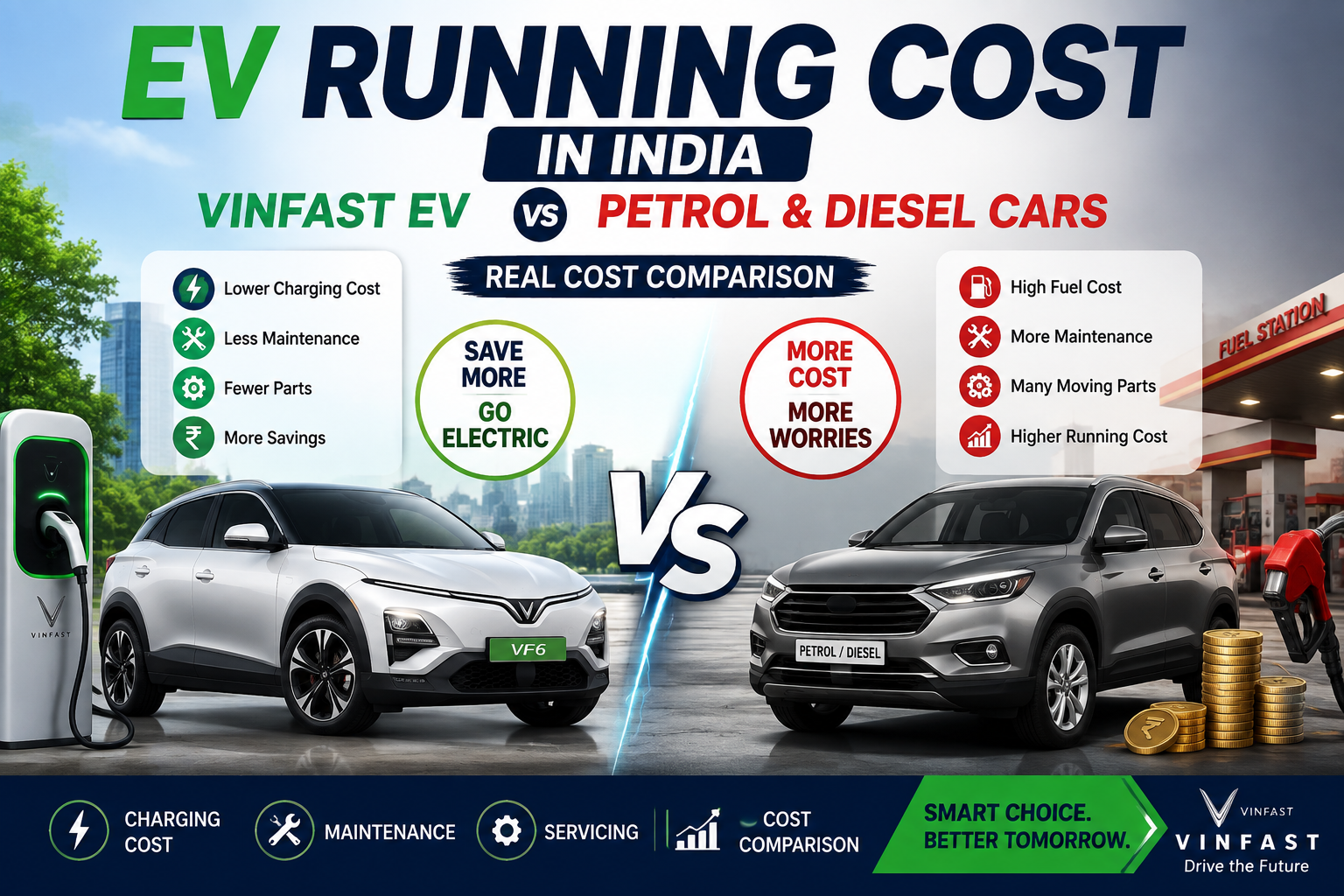
One of the biggest advantages of owning an electric vehicle is its lower running cost. Compared to petrol or diesel vehicles, charging an EV is generally more economical, especially for daily commuting.
However, the total charging cost depends on several factors, including:
- Local electricity tariff
- Battery capacity
- Charging location
- Home charging or public charging
- Charging network pricing
Let’s look at both charging options.
Home Charging
For most EV owners, home charging is the most affordable and convenient option. Since you pay your regular residential electricity rate, charging your vehicle at home usually costs less than relying on public charging stations.
Additionally, overnight charging allows you to start every morning with a fully charged battery, making daily commuting simple and hassle-free.
Public Charging
Public charging stations are designed to provide flexibility when you’re travelling or unable to charge at home.
Depending on the charging provider, public charging may be billed:
- Per unit of electricity consumed
- Per charging session
- According to charging speed
Therefore, pricing may vary between charging networks and locations.
Is Home Charging Cheaper Than Public Charging?
In most situations, the answer is yes.
Home charging remains the preferred choice for everyday use because it offers lower electricity costs and greater convenience.
Benefits of Home Charging
- Lower charging expenses
- Overnight convenience
- No waiting time
- Easy daily charging
- Ideal for regular commuting
On the other hand, public charging is particularly useful when:
- You’re travelling long distances
- Home charging isn’t available
- You need a quick battery top-up
As a result, many EV owners use a combination of home charging and public charging for maximum flexibility.
Tips to Improve EV Battery Life
The battery is one of the most valuable components of an electric vehicle. Fortunately, a few simple charging habits can help maintain battery performance for years.
Avoid Frequent Full Discharges
Instead of allowing the battery to become completely empty, recharge it according to your daily driving needs. Regular top-ups can help support long-term battery health.
Use Home Charging for Daily Driving
Whenever possible, use home charging for your everyday commute. It is convenient, economical, and well suited for routine charging.
Meanwhile, reserve DC fast charging for long-distance travel or situations where you need a quicker recharge.
Keep Software Updated
Modern electric vehicles receive software updates that can improve charging efficiency, battery management, and overall vehicle performance.
Therefore, always install updates recommended by your vehicle manufacturer.
Follow Manufacturer Guidelines
Every electric vehicle is designed differently. For the best results, always follow the manufacturer’s recommended charging practices and maintenance guidelines.
Doing so helps ensure reliable performance and long-term battery durability.
Common EV Charging Mistakes
New EV owners sometimes make small mistakes that can easily be avoided.
Ignoring Charger Compatibility
Always use charging equipment that is compatible with your vehicle. Using approved chargers helps ensure safe and efficient charging.
Waiting Until the Battery Is Almost Empty
Rather than waiting until the battery is nearly depleted, recharge it based on your daily driving routine. Regular charging is generally more convenient and practical.
Overusing DC Fast Charging
DC fast charging is extremely useful during road trips. However, it doesn’t need to be your primary charging method if home charging is available.
A balanced charging routine is usually the best approach.
Skipping Charger Maintenance
Keep charging cables, connectors, and charging equipment clean and in good condition. Regular inspections can help prevent unexpected charging issues.
How to Find EV Charging Stations in India
Finding an EV charging station is becoming easier every year. Thanks to the rapid expansion of EV Charging India, drivers now have access to an increasing number of charging locations across cities and highways.
Many charging network apps allow you to:
- Locate nearby charging stations
- Check charger availability
- View charging speeds
- Identify connector types
- Access navigation
- Make digital payments
Consequently, planning longer journeys has become much simpler for EV owners.
Planning Long-Distance EV Trips
Electric vehicles are now well suited for long-distance travel. However, planning ahead will make your journey more comfortable and stress-free. Before you begin your trip, take a few minutes to prepare by following this simple checklist.
Before you start your journey:
- Plan your charging stops in advance to avoid unnecessary delays.
- Check the availability of charging stations along your route before you leave.
- Carry compatible charging cables and any essential charging accessories.
- Keep an eye on your battery level throughout the journey and recharge when needed.
- Use a reliable navigation app to locate nearby charging stations during your trip.
As a result, you’ll enjoy a smoother travel experience with fewer interruptions. Moreover, proper planning helps reduce range anxiety and allows you to travel with greater confidence.
Can You Charge an EV During Rain?
Yes, you can.
Modern electric vehicles and certified charging equipment are designed with multiple safety systems that allow safe charging even during rainy weather.
However, you should always:
- Use approved charging equipment
- Follow manufacturer recommendations
- Avoid damaged charging cables
- Keep connectors clean and dry
Following these precautions helps ensure safe and reliable charging in all weather conditions.
Is EV Charging Safe?
Yes. Modern EVs include several built-in safety technologies designed to protect both the vehicle and the user during charging.
These safety features may include:
- Automatic power management
- Battery protection systems
- Temperature monitoring
- Over-current protection
- Secure charging connectors
In addition, always use certified charging equipment and have home chargers installed by trained professionals.