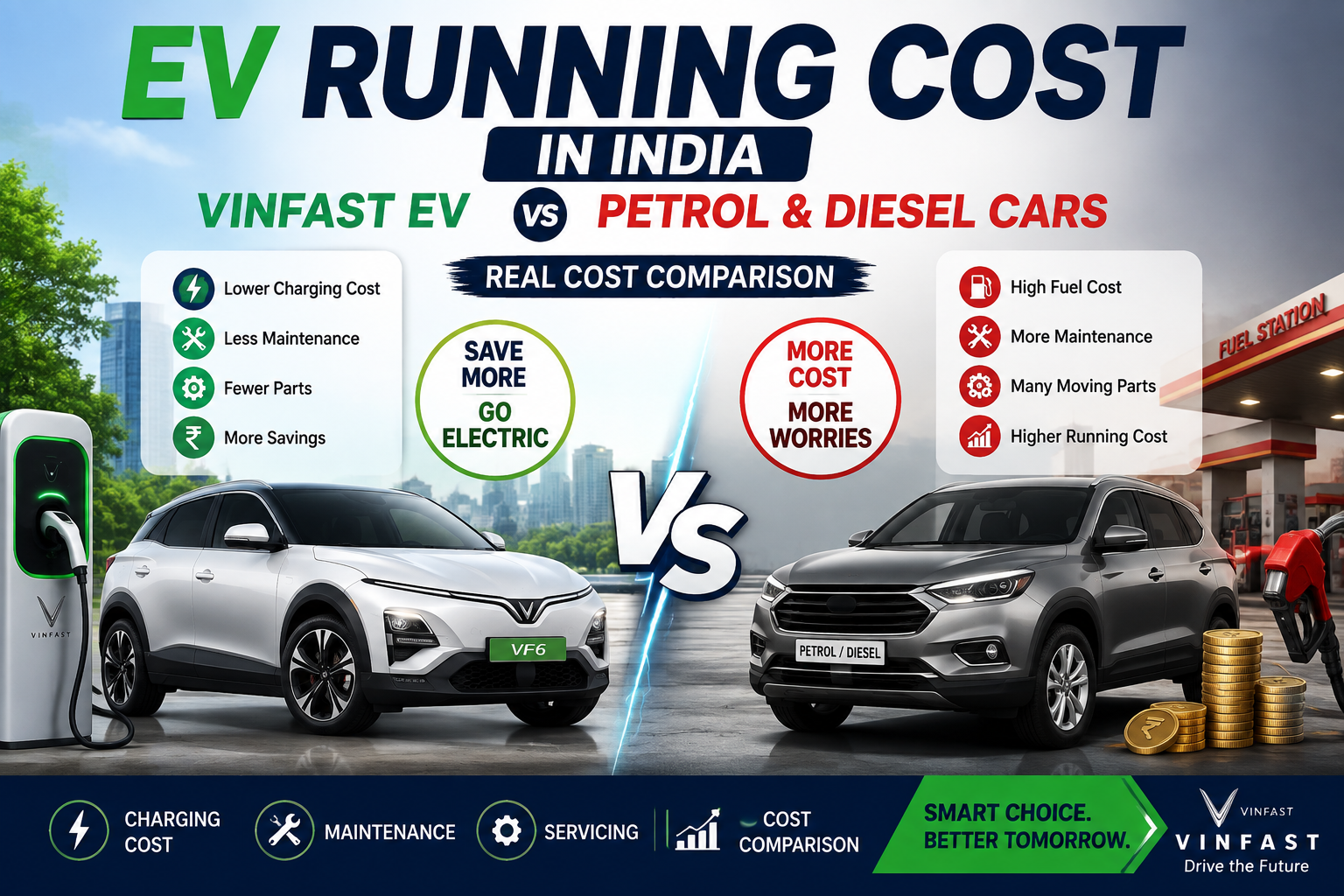

V Running Cost in India: VinFast EV vs Petrol & Diesel Cars
Introduction
The EV running cost in India is one of the biggest reasons more car buyers are considering electric vehicles. While the purchase price is an important factor, the actual cost of owning a car also includes energy, maintenance, servicing, and everyday running expenses.
For petrol and diesel cars, fuel can become a major monthly expense. Electric vehicles, on the other hand, use electricity instead of conventional fuel. In addition, EVs have fewer moving mechanical components, which can simplify routine maintenance.
However, choosing an electric car should not be based on running cost alone. Your daily driving distance, charging options, vehicle usage, and ownership requirements also matter.
In this guide, we’ll explain the EV running cost in India and compare the major ownership expenses of electric, petrol, and diesel vehicles.
What Does EV Running Cost Include?
The running cost of an electric vehicle is more than just the electricity used for charging.
A practical ownership calculation can include:
- Charging cost
- Routine maintenance
- Scheduled servicing
- Tyres
- Insurance
- Repairs and replacement parts
- Parking and toll expenses
- Financing costs, if applicable
Fortunately, some of these expenses can be lower for an EV than for a conventional vehicle.
Therefore, it is useful to look at the complete ownership picture instead of comparing only the purchase price.
Why Is EV Running Cost in India Different?
An electric vehicle uses a battery and electric motor instead of a petrol or diesel engine.
As a result, the energy source and mechanical system are different.
A petrol or diesel car requires regular fuel purchases. Meanwhile, an EV can be charged at home or at a public charging station.
Furthermore, an electric powertrain has fewer moving mechanical components than a conventional internal combustion engine.
This difference can influence both daily running expenses and routine maintenance requirements.
1. EV Charging Cost
Charging is the main day-to-day energy expense for an electric car.
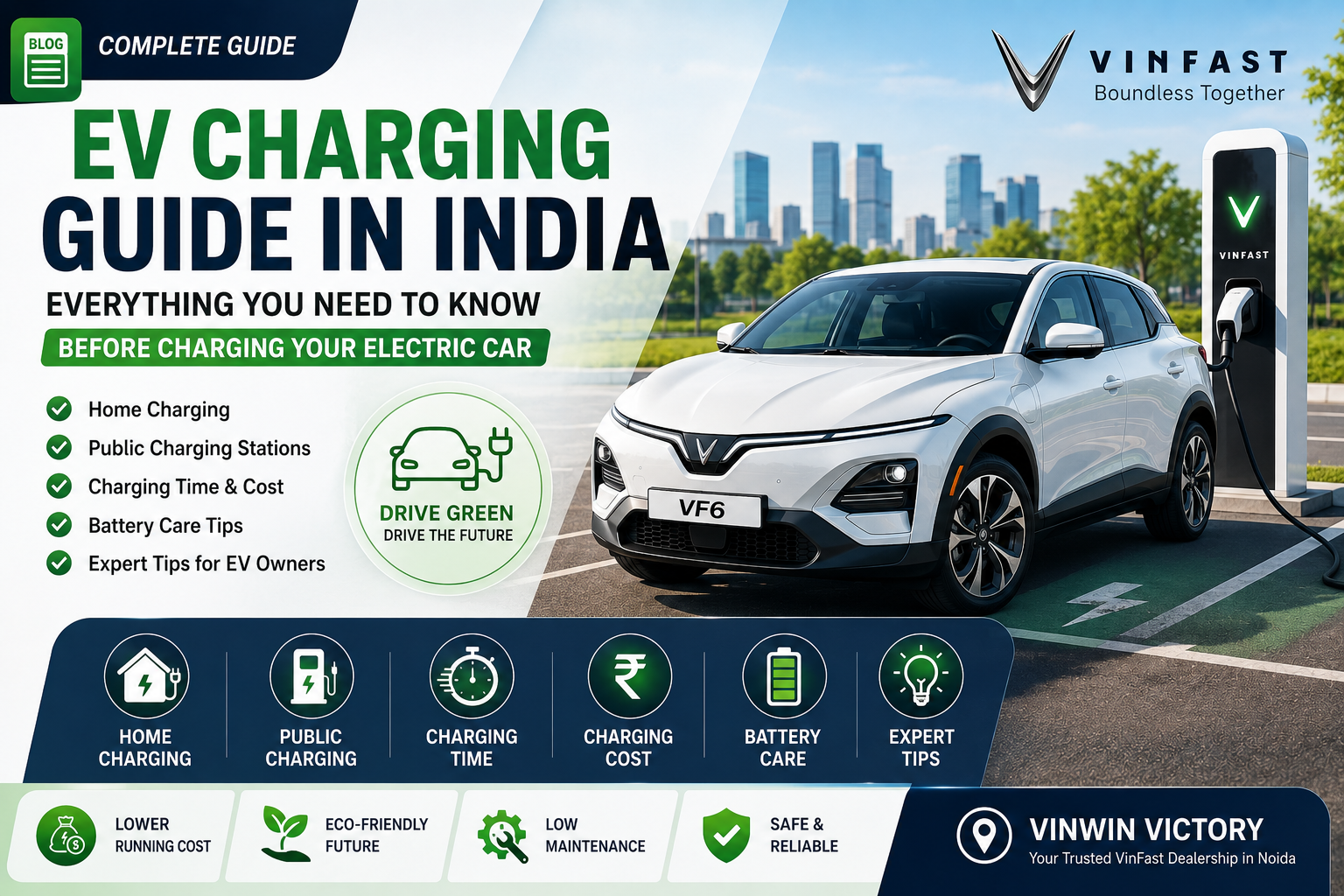
For most owners, home charging is the most convenient option. You can plug in the vehicle after your daily drive and charge it while it is parked.
The actual cost depends on:
- Electricity tariff
- Battery capacity
- Amount of energy used
- Charging efficiency
- Home or public charging
Home Charging
Home charging can be economical because the vehicle uses your regular electricity connection.
Moreover, overnight charging can be convenient for daily commuters. Instead of making a separate trip to a fuel station, you can simply connect your EV after reaching home.
Public Charging
Public charging is particularly useful during long-distance journeys.
However, public charging prices vary by network, location, and charger type. Therefore, regular commuters who have access to home charging may prefer it for everyday use.
2. Petrol and Diesel Fuel Costs
Petrol and diesel vehicles require regular visits to fuel stations.
Your monthly fuel expense depends mainly on:
- Daily kilometres
- Vehicle mileage
- Fuel price
- Driving conditions
- Traffic
- Driving style
For example, someone driving long distances every day may spend significantly more on fuel than a person who drives only occasionally.
By comparison, EV owners can charge according to their driving requirements and available charging options.
3. EV Maintenance Cost in India
Maintenance is another important part of the total EV running cost in India.
Electric vehicles generally have fewer moving components in the powertrain than conventional petrol or diesel cars. As a result, some routine engine-related maintenance requirements do not apply to EVs.
For example, an EV does not require traditional engine oil changes.
Depending on the vehicle and manufacturer’s maintenance schedule, EV ownership may also avoid or reduce certain engine-related service requirements.
However, EVs still require regular maintenance.
Owners should continue to pay attention to:
- Tyres
- Brakes
- Suspension
- Air conditioning
- Cabin filters
- Software
- Battery systems
- Other vehicle components
Therefore, an EV should not be considered completely maintenance-free.
4. What About EV Battery Maintenance?
The battery is one of the most important components of an electric vehicle.
Modern EVs use sophisticated battery management systems to monitor battery performance and operating conditions.
For owners, the best approach is simple:
- Follow the manufacturer’s charging recommendations
- Use compatible charging equipment
- Keep vehicle software updated
- Follow the recommended service schedule
- Avoid ignoring warning messages
In addition, battery performance can depend on usage, temperature, charging habits, and other operating conditions.
Always follow the recommendations provided for your specific vehicle.
5. EV vs Petrol vs Diesel: Running Cost Comparison
The easiest way to understand ownership costs is to compare the major categories.
| Cost Factor | Electric Vehicle | Petrol Car | Diesel Car |
|---|---|---|---|
| Energy Source | Electricity | Petrol | Diesel |
| Daily Energy Cost | Generally lower | Higher | Higher |
| Engine Oil | Not required | Required | Required |
| Engine Components | Fewer moving parts | More mechanical components | More mechanical components |
| Home Energy Option | Yes | No | No |
| Public Energy Network | Charging stations | Fuel stations | Fuel stations |
| Routine Maintenance | Generally lower | Regular | Regular |
| Long-Distance Planning | Charging stops | Fuel stops | Fuel stops |
This table provides a general comparison. Actual ownership costs depend on the vehicle, usage, electricity or fuel prices, and maintenance schedule.
6. Is an EV More Economical for Daily Driving?
For people who drive regularly, the difference in running costs can become more noticeable over time.
Imagine two drivers with similar daily travel requirements. One uses a petrol vehicle, while the other uses an electric vehicle.
The petrol driver needs to purchase fuel regularly. The EV driver can recharge at home whenever suitable.
As daily kilometres increase, energy costs become a larger part of total ownership expenses. Consequently, people with longer daily commutes may find EV running costs particularly attractive.
7. City Driving Can Be Ideal for EVs
Electric vehicles are particularly convenient for regular city driving.
Traffic can result in frequent acceleration and braking in conventional vehicles. EVs provide smooth and quiet electric driving, which can make urban commuting more comfortable.
Additionally, regenerative braking can help recover some energy during deceleration, depending on the vehicle and driving conditions.
For people who drive to work, school, business meetings, or regular city destinations, an EV can therefore be a practical everyday choice.
8. What About Long-Distance Travel?
An EV can also be used for long-distance travel. However, the journey requires slightly different planning.
Before leaving, consider:
- Your starting battery level
- Driving distance
- Charging stations along the route
- Charger compatibility
- Charging time
- Traffic and weather conditions
Fortunately, charging infrastructure is expanding across India.
With proper planning, EV owners can enjoy highway journeys while making planned charging stops along the route.
9. Does an EV Have Lower Service Costs?
An EV can have fewer routine powertrain maintenance requirements because it does not use a conventional petrol or diesel engine.
For example, traditional engine oil changes are not part of EV ownership.
However, scheduled service is still important.
Your vehicle may require inspections and maintenance for:
- Tyres
- Braking components
- Suspension
- Air conditioning
- Filters
- Electrical systems
- Software and diagnostics
Therefore, always follow the service schedule recommended by the manufacturer.
10. How Driving Habits Affect EV Running Cost
Your driving style can influence energy consumption.
Smooth acceleration and controlled driving can help improve efficiency. On the other hand, aggressive acceleration, high-speed driving, heavy loads, and frequent use of climate control can increase energy consumption.
Here are some simple habits that can help:
- Accelerate smoothly
- Maintain appropriate tyre pressure
- Avoid unnecessary idling of accessories
- Plan routes efficiently
- Use regenerative braking effectively where available
- Keep the vehicle properly maintained
As a result, efficient driving can help you get more value from every charge.
VinFast EVs for Different Ownership Needs
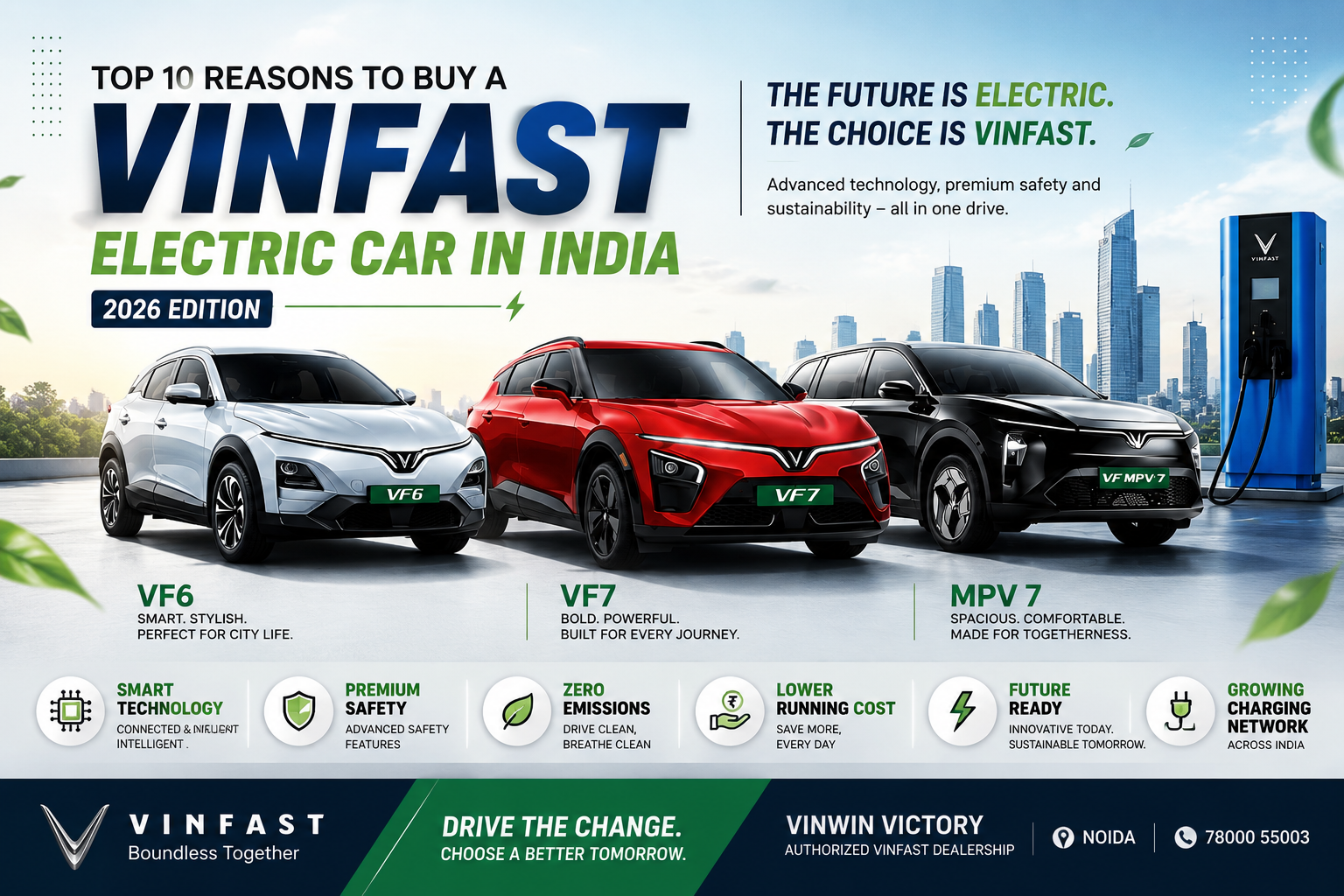
VinFast offers electric vehicles designed for different lifestyles and driving requirements. Therefore, choosing the right model depends on your daily travel, passenger needs, and preferred driving experience.
VinFast VF6
The VinFast VF6 is a compact electric SUV designed for everyday city driving and personal mobility. Its modern design and practical size make it suitable for customers who want an easy-to-drive electric SUV for regular use.
The VF6 can be a practical choice if you are looking for:
- A modern electric SUV
- Comfortable city driving
- Advanced technology
- A compact and stylish design
Want to know more about the VF6?
VinFast VF7
For buyers looking for a larger and more premium electric SUV, the VinFast VF7 offers a different experience. Its bold exterior design, spacious cabin, and technology-focused approach make it suitable for customers who want additional comfort and road presence.
The VF7 can be a good option for buyers who value:
- A premium electric SUV
- Spacious cabin comfort
- Advanced technology
- Bold exterior styling
- Comfortable family travel
Interested in exploring the VF7?
VinFast MPV 7
If you need additional seating, the VinFast MPV 7 offers a seven-seat format designed for greater passenger capacity. As a result, it can be considered by larger families, business users, and customers who need additional interior practicality.
The MPV 7 may suit you if you need:
- Seven-seat practicality
- More passenger space
- Comfortable family travel
- A vehicle for business or fleet requirements
Looking for a seven-seat electric vehicle?
How to Calculate Your EV Running Cost
You can estimate your approximate EV energy cost using a simple calculation.
Basic Formula
Electricity Used × Electricity Price = Charging Cost
For a more detailed estimate, consider your vehicle’s energy consumption and the distance you drive.
For example, if you know approximately how much electricity your EV uses per kilometre, you can estimate the energy cost for your daily commute.
Then, multiply that figure by the number of days you drive each month.
This simple calculation gives you a useful estimate of your monthly EV energy expense.
How Can You Reduce Your EV Ownership Cost?
There are several ways to keep your overall EV running cost under control.
Charge Smart
Use home charging for regular driving whenever it is practical.
Drive Efficiently
Smooth acceleration and sensible speeds can help reduce energy consumption.
Maintain Your Tyres
Correct tyre pressure can support better efficiency and driving performance.
Follow the Service Schedule
Regular maintenance can help identify potential issues early.
Plan Long Trips
Knowing where you can charge helps avoid unnecessary detours and delays.
Why Choose VinWin Victory?
Choosing the right EV is only one part of the ownership experience. The dealership you choose can also make the transition to electric mobility easier.
At VinWin Victory, customers can explore the VinFast lineup and receive guidance based on their driving requirements.
Our team can help you:
- Compare VinFast electric vehicles
- Understand EV ownership
- Learn about charging options
- Explore finance options
- Book a test drive
- Choose a vehicle based on your requirements
Frequently Asked Questions
Is EV running cost lower than petrol cars in India?
In many cases, an EV can have lower day-to-day energy and routine powertrain maintenance costs than a comparable petrol vehicle. However, actual savings depend on usage, electricity prices, vehicle efficiency, and maintenance requirements.
What is the biggest running expense for an EV?
Electricity used for charging is the primary energy expense. Your total cost depends on how far you drive, the vehicle’s efficiency, and whether you mainly use home or public charging.
Is home charging cheaper for an EV?
Home charging is often more economical than public charging because you use your residential electricity tariff. However, actual costs vary by location and electricity provider.
Does an EV need regular servicing?
Yes. Electric vehicles still require scheduled maintenance. Items such as tyres, brakes, suspension, air conditioning, filters, and other systems need attention according to the manufacturer’s service schedule.
Is an EV suitable for long-distance driving?
Yes. EVs can be used for long-distance journeys. However, drivers should plan charging stops and check charger availability before starting a long trip.
Which VinFast EV is right for me?
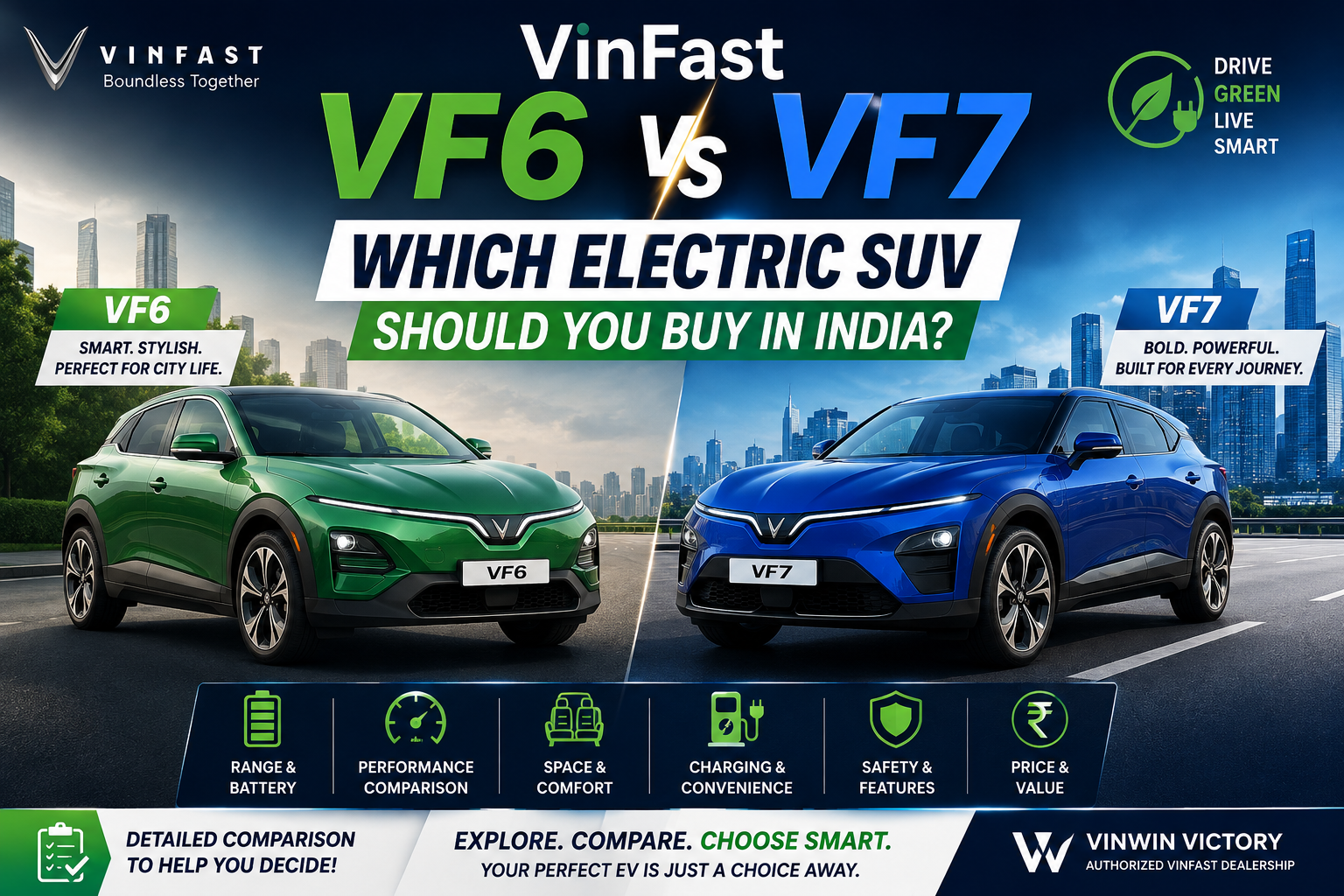
The right model depends on your lifestyle and requirements. The VF6 can suit city-focused buyers, while the VF7 offers a larger SUV experience. The MPV 7 can be considered by buyers who need additional passenger capacity.
Final Thoughts
Understanding the EV running cost in India is an important step before purchasing an electric vehicle. While the initial purchase price matters, your long-term expenses also depend on charging, maintenance, driving habits, and vehicle usage.
For many daily commuters, an EV can provide an attractive combination of lower energy costs, smooth performance, and simplified routine maintenance. Moreover, India’s growing charging infrastructure is making electric mobility increasingly practical.
Before making your decision, compare your daily driving distance, charging options, passenger requirements, and ownership expectations.
Then, experience the vehicle yourself.
If you’re considering a VinFast electric vehicle in Noida, visit VinWin Victory to explore the VF6, VF7, and MPV 7 and discuss the right option for your requirements.