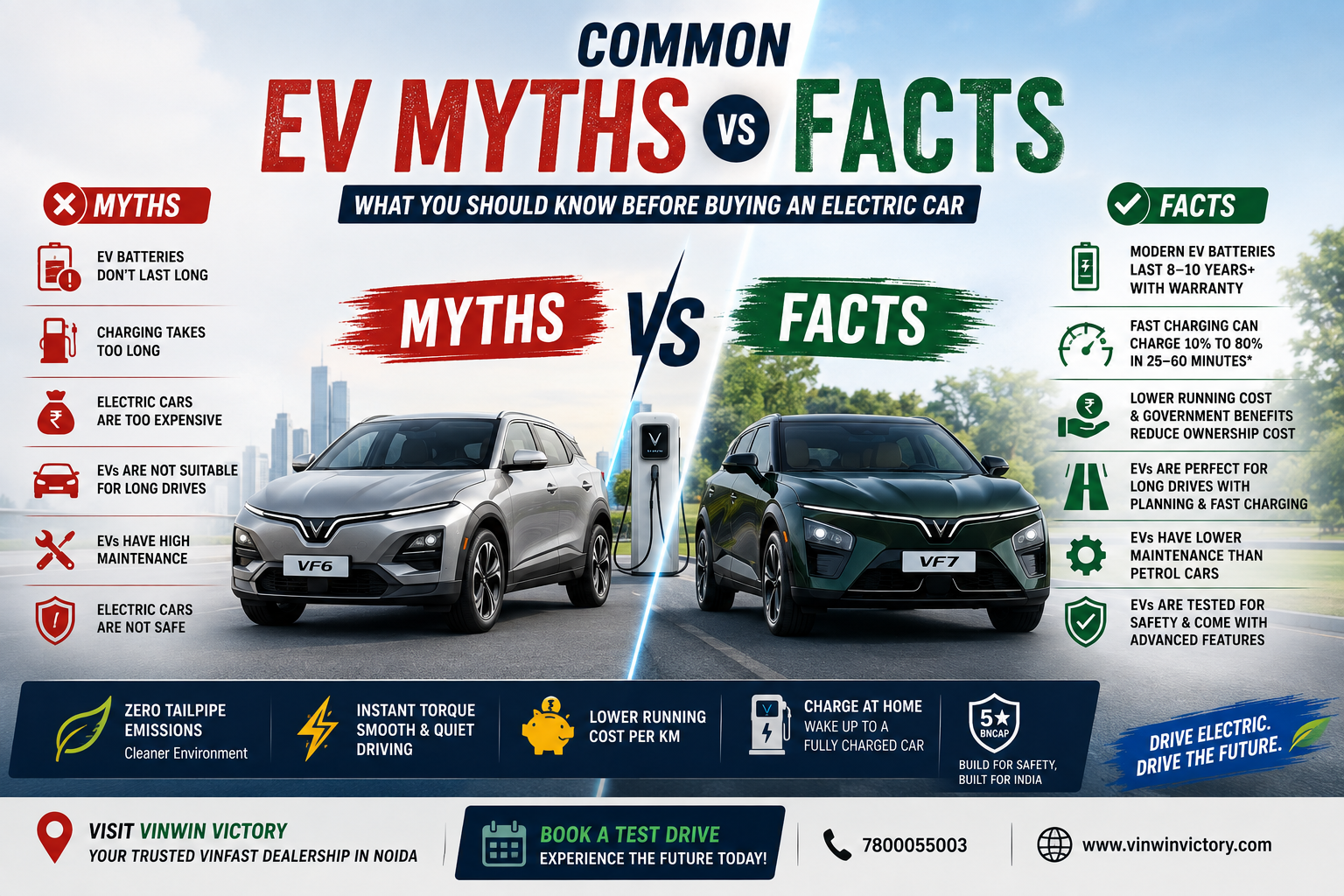

Common EV Myths vs Facts: What You Should Know Before Buying an Electric Car
Introduction
Electric vehicles are becoming increasingly popular in India. However, many people still have questions about EV ownership.
Is an electric car really cheaper to run? Does the battery need frequent replacement? Can an EV travel long distances? Is charging difficult? Are electric cars safe?
These questions are understandable. After all, electric vehicles use different technology from traditional petrol and diesel cars.
Unfortunately, several EV myths continue to create confusion among potential buyers. Some concerns are based on outdated information, while others depend on the specific vehicle, driving conditions, and charging setup.
In this guide, we’ll separate common EV myths from facts and explain what you should actually consider before buying an electric car in India.
Myth 1: Electric Cars Are Too Expensive
❌ Myth
Electric cars are always too expensive compared with petrol and diesel cars.
✅ Fact
The purchase price is only one part of the total cost of owning a car.
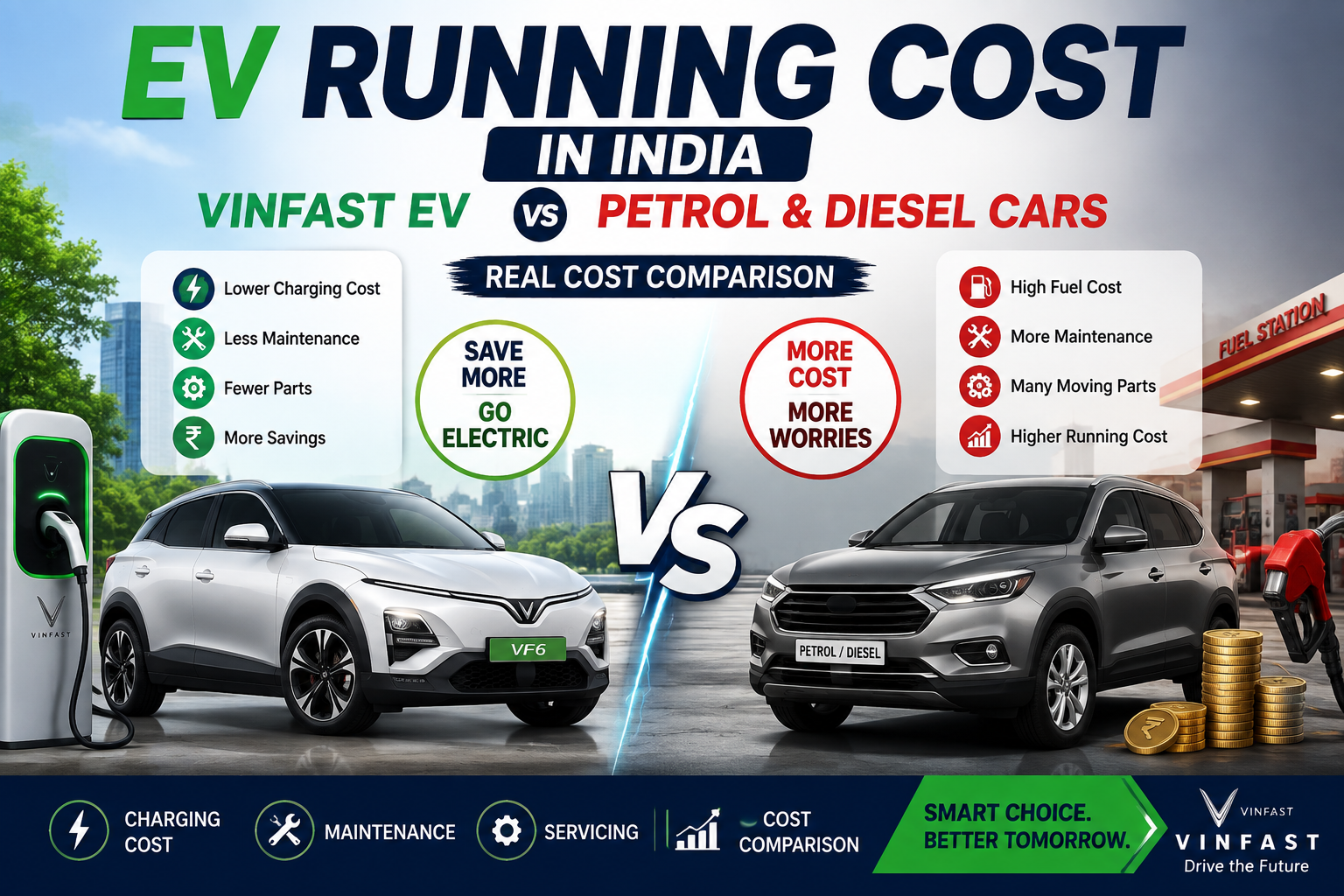
An electric vehicle can have lower day-to-day energy costs, particularly when you have access to home charging. In addition, EVs have a different powertrain structure, which means some traditional engine-related maintenance does not apply.
However, the actual ownership cost depends on several factors, including:
- Vehicle price
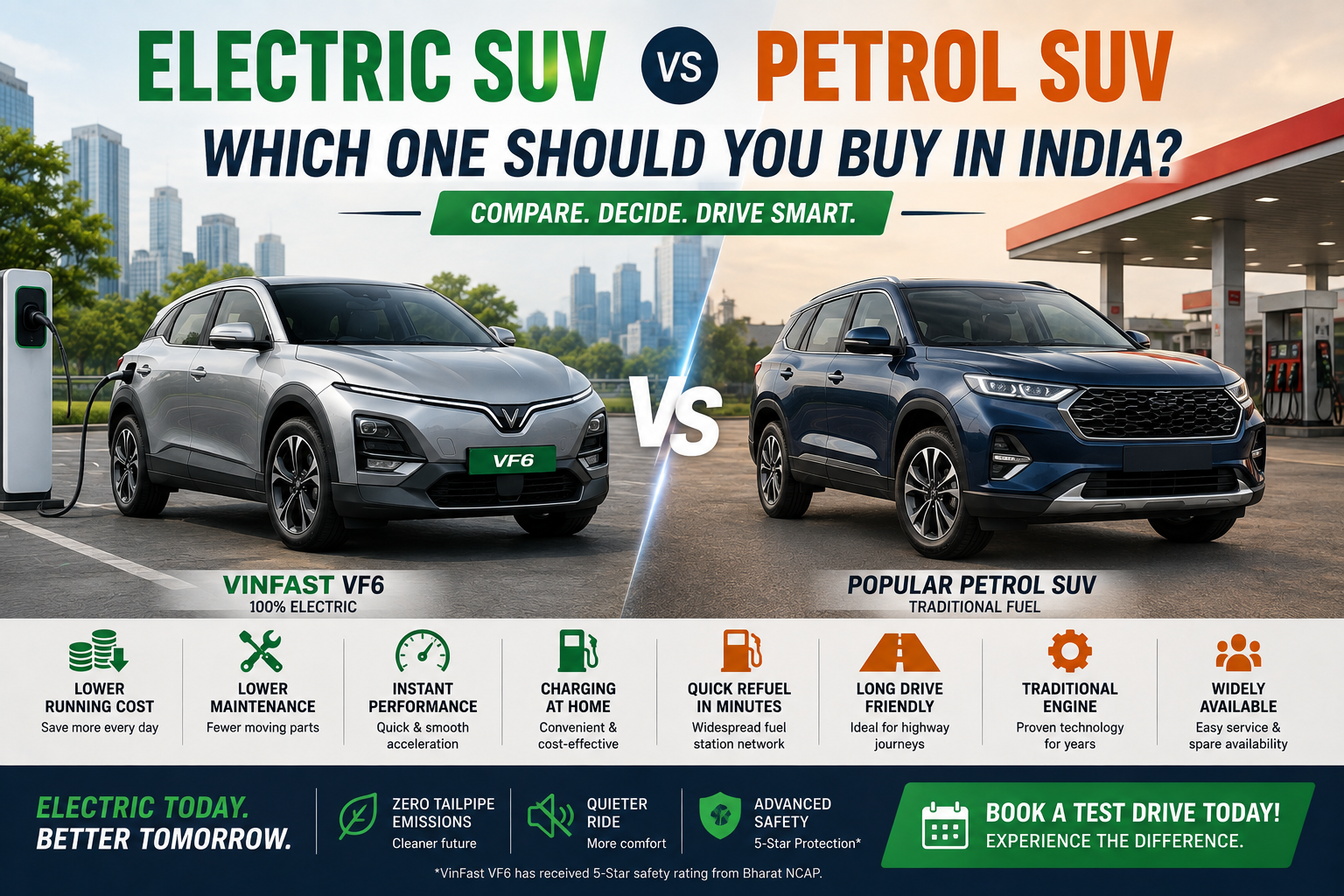
- Financing
- Electricity cost
- Petrol or diesel prices
- Annual driving distance
- Maintenance
- Insurance
- Charging requirements
Therefore, buyers should compare the total cost of ownership instead of looking only at the initial price.
Myth 2: EV Batteries Need to Be Replaced Very Frequently
❌ Myth
An EV battery will quickly lose its capacity and require expensive replacement.
✅ Fact
Modern electric vehicles use sophisticated battery management systems designed to monitor and manage battery performance.
Battery life depends on several factors, including:
- Usage
- Charging habits
- Temperature
- Driving conditions
- Battery management
- Vehicle technology
Furthermore, manufacturers provide battery warranties and specific recommendations for battery care.
Therefore, buyers should not assume that an EV battery needs frequent replacement simply because it is rechargeable.
Myth 3: Electric Cars Are Not Suitable for Indian Roads
❌ Myth
Electric cars are only suitable for smooth roads and developed countries.
✅ Fact
Electric vehicles are already being used in different parts of India, including busy cities and highway routes.
Modern EVs are designed with features such as:
- Ground clearance
- Electronic stability systems
- Regenerative braking
- Multiple drive modes on applicable models
- Advanced suspension systems
- Battery protection systems
However, every vehicle should be driven according to road conditions and manufacturer recommendations.
As EV adoption increases, manufacturers are also developing vehicles specifically for the requirements of the Indian market.
Myth 4: EVs Cannot Handle Long-Distance Travel
❌ Myth
Electric cars are only useful for short city trips.
✅ Fact
Modern EVs can be used for long-distance journeys when the trip is planned properly.
The key difference is that EV drivers need to plan charging stops rather than fuel stops.
Before a long journey, check:
- Starting battery level
- Driving distance
- Charging stations
- Charger compatibility
- Charging time
- Alternative charging locations
As India’s charging infrastructure continues to expand, long-distance EV travel is becoming increasingly practical.
Myth 5: Charging an EV Is Always Difficult
❌ Myth
EV owners constantly have to search for public charging stations.
✅ Fact
Many EV owners primarily use home charging for their daily travel.
You can connect the vehicle after returning home and allow it to charge while parked. As a result, you may not need to visit a public charging station for everyday commuting.
Public chargers become particularly useful for:
- Long-distance travel
- Road trips
- Emergency top-ups
- Drivers without home charging access
Therefore, charging can become a simple routine once you understand your daily driving requirements.
Myth 6: EV Charging Takes Too Long
❌ Myth
Every EV takes many hours to charge.
✅ Fact
Charging time depends on the battery, charging equipment, charging power, and the vehicle’s charging capability.
Home AC charging is generally designed for convenient overnight charging. Meanwhile, DC fast charging can provide a much quicker top-up during longer journeys.
Therefore, instead of asking whether all EVs charge slowly, buyers should compare the charging capability of the specific vehicle they are considering.
Myth 7: EVs Have No Maintenance
❌ Myth
Electric cars never require servicing.
✅ Fact
EVs still require regular maintenance.
Although an EV does not have a conventional petrol or diesel engine, other vehicle components still require inspection and care.
These can include:
- Tyres
- Brakes
- Suspension
- Air conditioning
- Filters
- Electrical systems
- Battery systems
- Software
The maintenance schedule varies by vehicle. Therefore, always follow the manufacturer’s recommended service intervals.
Myth 8: Electric Cars Are Slow
❌ Myth
Electric cars cannot provide strong performance.
✅ Fact
Electric motors can deliver torque quickly, which can result in smooth and responsive acceleration.
The actual performance depends on the vehicle’s motor, battery, drivetrain, weight, and software.
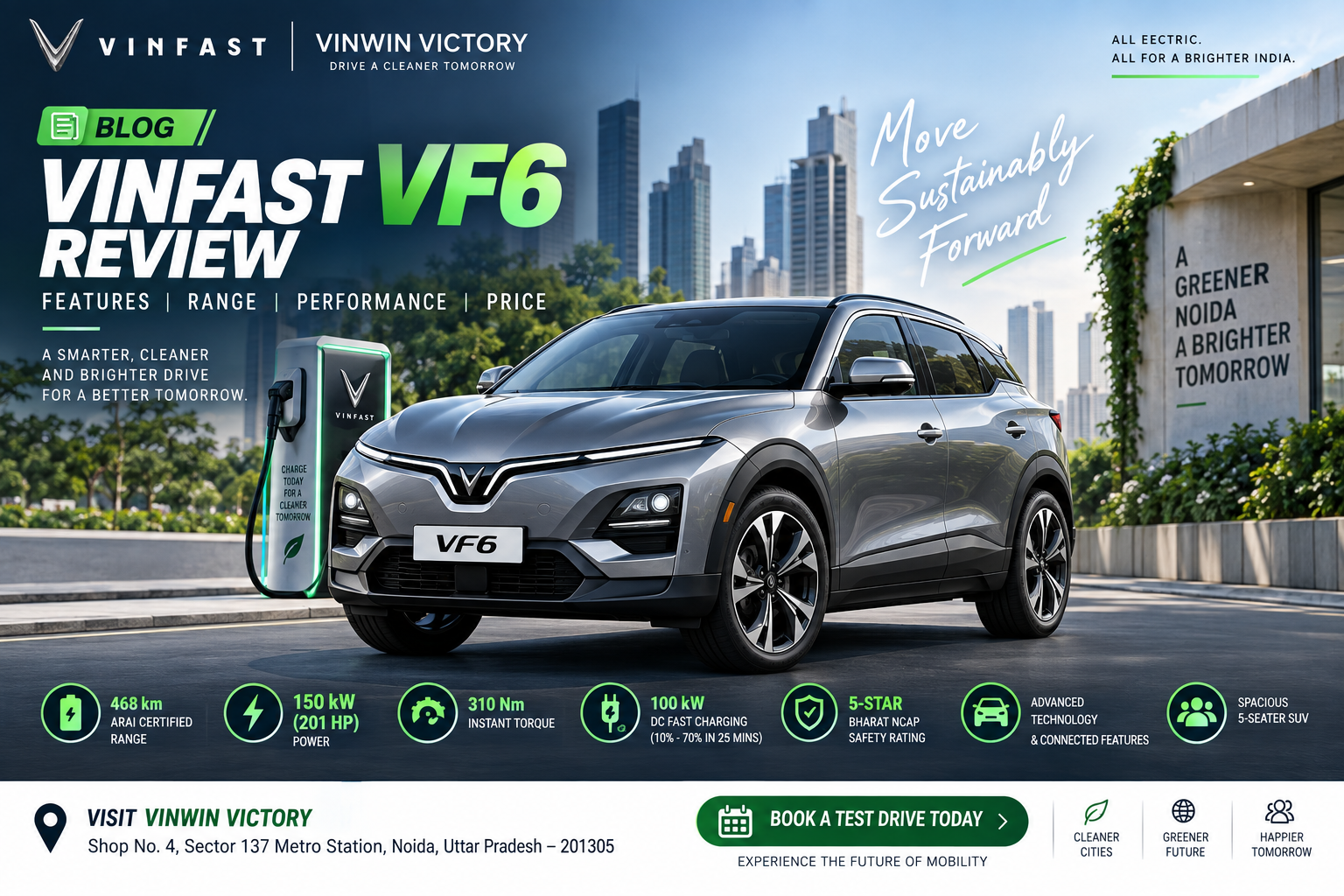
For example, the VinFast VF6 and VF7 are designed to provide an electric driving experience with responsive performance.
Therefore, performance should be evaluated by looking at the specifications and, more importantly, experiencing the vehicle during a test drive.
Myth 9: EVs Are Not Safe
❌ Myth
Electric cars are less safe because they use large batteries.
✅ Fact
Safety depends on the engineering, structure, safety equipment, battery protection, and testing of the individual vehicle.
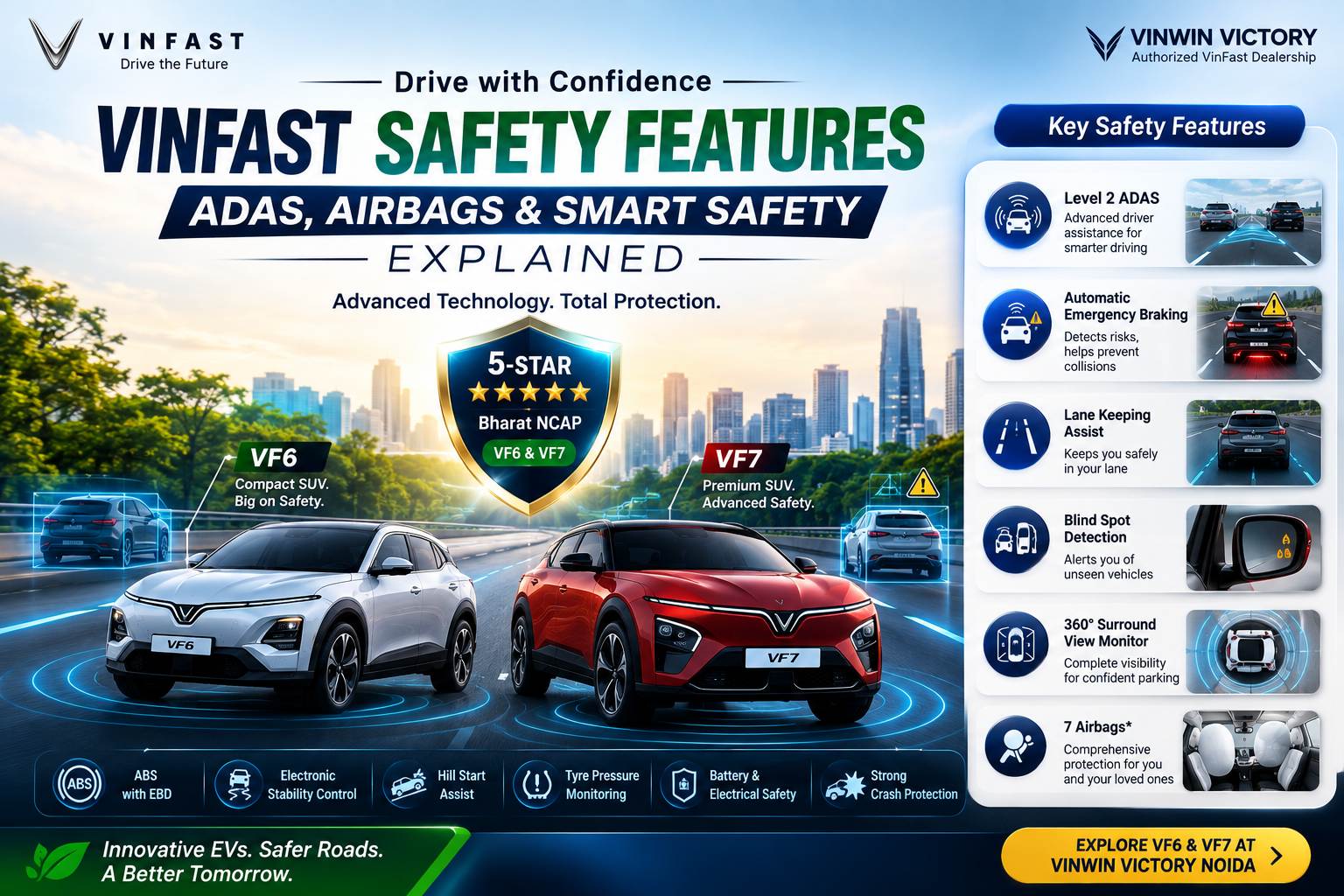
Modern EVs can include multiple safety technologies such as:
- Airbags
- ABS
- Electronic Stability Control
- Traction Control
- Brake Assist
- Driver assistance systems
- Battery management systems
- Collision avoidance technologies
For example, the VinFast VF6 and VF7 have both received 5-star Bharat NCAP safety ratings.
Therefore, buyers should evaluate the safety rating and equipment of the specific EV rather than making assumptions about all electric vehicles.
Myth 10: EVs Are Only Good for the Environment
❌ Myth
The only reason to buy an electric car is to reduce pollution.
✅ Fact
Environmental benefits are one reason people choose EVs, but they are not the only advantage.
An electric vehicle can also offer:
- Smooth acceleration
- Quiet operation
- Convenient home charging
- Potentially lower energy costs
- Modern technology
- Reduced tailpipe emissions
- A different and refined driving experience
As a result, an EV can appeal to buyers for both practical and environmental reasons.
Myth 11: EVs Are Difficult to Drive
❌ Myth
Driving an electric car requires learning a completely new driving technique.
✅ Fact
An EV is generally easy to drive.
The basic controls are familiar. You still have:
- Steering
- Accelerator
- Brake
- Gear selection
- Infotainment
- Climate controls
However, an EV can feel different because of instant motor response and regenerative braking.
Most drivers can become comfortable with these characteristics after a short period of regular driving.
Myth 12: EVs Are Only for City Driving
❌ Myth
An electric vehicle cannot be used outside the city.
✅ Fact
EVs can be used for both city and highway driving.
City driving can be convenient because of home charging and smooth electric performance. At the same time, longer journeys are possible with proper charging planning.
Before travelling outside the city, simply consider your route, expected energy consumption, and available charging points.
Therefore, an EV can be a practical option for a variety of driving requirements.
Myth 13: There Are Not Enough EV Charging Stations in India
❌ Myth
India has almost no EV charging infrastructure.
✅ Fact
India’s EV charging network is growing, with charging points being added across cities, highways, commercial locations, and other areas.
However, infrastructure availability can vary between locations.
For this reason, EV buyers should consider the charging infrastructure around their home, workplace, and regular travel routes.
Planning is particularly important for long-distance travel.
Myth 14: EVs Are Difficult to Resell
❌ Myth
Nobody will want to buy a used electric car.
✅ Fact
The used EV market is developing alongside new EV adoption.
However, resale value depends on several factors, such as:
- Vehicle condition
- Battery health
- Age
- Mileage
- Brand
- Warranty
- Market demand
- Available technology
Therefore, buyers should not assume that every EV will have the same resale experience.
As the Indian EV market matures, consumer familiarity with used electric vehicles is also expected to develop.
Myth 15: Petrol Cars Are Always Better for Long-Term Ownership
❌ Myth
A petrol car is automatically a better long-term choice because EV technology is still new.
✅ Fact
The right vehicle depends on your lifestyle.
An EV can be a strong long-term option if you:
- Drive regularly
- Have charging access
- Want lower day-to-day energy costs
- Prefer quiet driving
- Like modern technology
- Want to reduce petrol dependency
On the other hand, a petrol vehicle may still suit someone who frequently travels through areas with limited charging infrastructure.
Therefore, there is no single answer for every buyer.
Myth 16: All EVs Are the Same
❌ Myth
Once you’ve driven one electric car, you’ve experienced every EV.
✅ Fact
Electric vehicles can differ significantly.
Battery capacity, range, power, charging speed, technology, safety equipment, cabin space, suspension, and driving characteristics can all vary.
For example, the VinFast VF6 and VinFast VF7 are both electric SUVs, but they serve different customer requirements.
The VF6 is a more compact SUV, while the VF7 offers a larger and more premium SUV experience.
Therefore, comparing individual models is much more useful than judging the entire EV category as one product.
VinFast VF6: A Practical Electric SUV
The VinFast VF6 is designed for customers looking for a compact electric SUV for everyday driving.
It can be suitable for buyers who want:
- A modern electric SUV
- City-friendly dimensions
- Electric performance
- Connected technology
- Advanced safety features
If you’re considering your first EV, experiencing the VF6 in person can help you understand how electric driving fits into your lifestyle.
Explore the VinFast VF6:
VinFast VF7: A Premium Electric SUV
The VinFast VF7 offers a larger SUV experience for customers who want more space, technology, and performance.
It can appeal to buyers looking for:
- Premium SUV styling
- Comfortable family travel
- Advanced technology
- Strong electric performance
- Modern safety systems
Before making a decision, compare the available variant specifications and choose the configuration that best matches your requirements.
Explore the VinFast VF7:
How to Decide If an EV Is Right for You
After separating the EV myths from facts, the next step is to evaluate your own requirements.
Ask yourself these questions:
1. How far do you drive every day?
If your daily travel is predictable, planning your charging routine can be relatively easy.
2. Can you charge at home?
Home charging can make everyday EV ownership much more convenient.
3. How often do you travel long distances?
Frequent highway travellers should consider charging infrastructure along their regular routes.
4. What type of vehicle do you need?
Think about your passenger requirements, boot space, performance preferences, and driving environment.
5. What is your ownership priority?
Your decision may depend on running costs, technology, comfort, performance, environmental considerations, or a combination of these factors.
Should You Buy an Electric Car in India?
Electric mobility is developing rapidly in India. However, choosing an EV should be based on facts rather than hype or misconceptions.
An electric car can be a good choice if your lifestyle matches its strengths.
For example, EV ownership may work particularly well when you have convenient charging access, drive regularly, and want a smooth and quiet driving experience.
At the same time, buyers should consider charging infrastructure, long-distance travel requirements, budget, and available vehicle options.
Ultimately, the best EV is the one that fits your everyday life.
Why Test Driving an EV Matters
Reading about electric cars is useful. However, a test drive can answer many questions much faster.
During a test drive, you can experience:
- Acceleration
- Steering
- Braking
- Cabin comfort
- Visibility
- Driving position
- Ride quality
- Technology
- Overall driving experience
Moreover, you can ask questions about charging, range, maintenance, and ownership before making your decision.
If you’re considering a VinFast electric vehicle, visiting VinWin Victory can help you experience the vehicles in person.